

Jul
From the dramatic mountain landscapes of the Pyrenees and idyllic medieval villages to world-famous architecture, hidden coves and rolling vineyards, Catalonia is so much more than Barcelona. During my cultural road trip, I discovered a region where nature, history, gastronomy and centuries-old traditions come together effortlessly. From UNESCO World Heritage Sites and Catalan Modernisme to charming mountain villages and authentic local festivals, every day brought a new surprise.The more I explored, the more I realized just how diverse this region is. In this guide, I’ll share the very best things to do in Catalonia for culture lovers and take you to the places that made my trip unforgettable. One thing is certain: this definitely won’t be my last visit to Catalonia.
** Disclaimer: This blog post contains interesting affiliate links. This means that if you purchase something through my recommendations, I receive a small reward. The best part? It doesn’t cost you anything extra and it helps my blog continue to grow. A win-win situation, so thank you! **
About Catalonia
Catalonia is an autonomous region in northeastern Spain, where vibrant cities, dramatic mountain landscapes and centuries-old villages come together effortlessly. From the Modernist architecture of Barcelona and Reus to the peaks of the Pyrenees and the charming mountain villages of Cerdanya, you’ll discover vineyards, olive groves, natural parks and charming mountain villages. World-famous architecture, remarkable art and authentic Catalan traditions ensure that no two days are ever the same.
History and culture are never far away in Catalonia. From the masterpieces of Catalan Modernisme by Gaudí and Lluís Domènech i Montaner to the Romanesque churches of the Vall de Boí, the open-air museum of Penelles and historic towns such as Solsona, the region is filled with cultural treasures. Centuries-old traditions are still very much alive, from the famous human towers (castells) and the spectacular Les Falles fire festivals in the Pyrenees to the renowned wine culture of Priorat. It is a place where the past and present blend seamlessly together.

What surprised me most about Catalonia was just how diverse it is. One day you’re admiring iconic architecture in Barcelona, the next you’re wandering through a peaceful mountain village, exploring an ancient church or driving through the breathtaking landscapes of the Pyrenees. You can visit a UNESCO World Heritage Site in the morning and enjoy outstanding local cuisine among the vineyards just a few hours later. It’s this incredible variety that makes a road trip through Catalonia so special and ensures that every day brings something new.
How to travel to Catalonia?
Catalonia is surprisingly easy to reach from Belgium. The fastest option is to fly, with direct flights from Brussels and Charleroi to Barcelona, Girona and Reus. After a flight of around two hours, you’ll already be exploring Modernist masterpieces, relaxing by the Mediterranean or heading towards the Pyrenees.
If you love road trips, driving to Catalonia is an adventure in itself. From Belgium, you can reach Barcelona in around 12 to 14 hours, depending on your departure point. Along the way, you can easily turn the journey into part of your holiday by stopping in beautiful regions of France, such as Provence, the Ardèche or the French Pyrenees.
If you want to explore more than just Barcelona, I highly recommend renting a car or driving your own. It allows you to travel effortlessly between charming medieval villages, dramatic mountain landscapes, hidden coves, rolling vineyards and historic towns. Public transport is excellent between the major cities, but having a car gives you the freedom to experience the very best of Catalonia.
Planning a trip soon? Be sure to check out my article, “10 Catalonia travel tips you need to know before you go.” In it, I share practical advice on toll roads, parking, the best time to visit, local customs and much more, so you can start your Catalan adventure fully prepared.
How much time do you need to explore Catalonia?
That really depends on how much you want to see. Barcelona alone deserves at least three to four days. The city is packed with remarkable architecture, vibrant neighbourhoods, world-class museums and fantastic food. But if you truly want to experience Catalonia, I highly recommend combining your city break with a road trip through the region.
If you have 5 to 7 days, spend around three days in Barcelona and dedicate the rest of your trip to one area, such as the Pyrenees, Priorat or the inland region with its charming medieval villages. This gives you the perfect balance of culture, nature and gastronomy without spending too much time on the road.
If you have 10 days or more, you’ll have the opportunity to experience the incredible diversity of Catalonia. Combine Barcelona with the Modernist architecture of Reus, the street art of Penelles, the Romanesque churches of the Vall de Boí, the vineyards of Priorat, the spectacular landscapes of the Pyrenees and authentic villages such as Taüll. You’ll discover a side of Catalonia that many travellers never get to see.
My biggest tip? Don’t try to see everything in a single trip. Catalonia is far more diverse than most people expect. Some of the best experiences come from slowing down, staying an extra night, joining a local festival or simply wandering through a village you’ve never heard of. Barcelona is an incredible starting point, but the real magic begins once you leave the city behind.
20 fascinating things to do in Catalonia for culture lovers
Catalonia is a region that’s impossible to fully explore in a single trip. During our 7-day road trip, we discovered just how diverse it is, from world-famous architecture and charming mountain villages to centuries-old traditions, vineyards, and the rugged landscapes of the Pyrenees. Even though we saw so much, I returned home feeling like I had only scratched the surface. It definitely left me wanting more, and I already know I’ll be back many times. That’s why I consider this guide a growing collection that I’ll continue expanding over the coming years with new discoveries and must-see places.
Many of the attractions featured in this guide are also part of the official Grand Tour of Catalonia, a spectacular road trip route that connects the region’s highlights and serves as the perfect source of inspiration for planning your own itinerary.
To make planning your trip a little easier, I’ve also included a map showing all the places featured in this guide. It gives you a clear overview of their locations, making it easy to combine them into a road trip through Catalonia or a Barcelona city break with a few extra days to explore the region.
Barcelona
Start your journey through Catalonia in Barcelona. This cosmopolitan city is famous for its remarkable architecture, rich history, outstanding gastronomy and vibrant atmosphere. It’s no surprise that Barcelona has been named the World Capital of Architecture 2026, a title that celebrates its exceptional architectural heritage. Here, you’ll experience the true spirit of Catalonia, where centuries-old traditions, creativity and a relaxed Mediterranean lifestyle come together. From lively squares and charming neighbourhoods to bustling markets and authentic tapas bars, Barcelona is a city that never stops surprising and the perfect starting point for a cultural journey through the region.
Where to stay in Barcelona
During my visits, I’ve stayed at two hotels that I can highly recommend:
- H10 Marina Barcelona – A modern and comfortable hotel within walking distance of the beach and the charming El Born neighbourhood. It’s an excellent choice if you want to combine sightseeing with time by the sea.


- Alexandra Barcelona Hotel, Curio Collection by Hilton – A stylish boutique hotel in a prime location on Passeig de Gràcia, just a short walk from some of Barcelona’s finest Modernist landmarks. It’s the perfect base for exploring the city on foot.


1 – Visit the iconic Sagrada Família
No trip to Barcelona is complete without visiting the Sagrada Família. This iconic basilica is the life’s work of Antoni Gaudí and one of the most extraordinary buildings in the world. Construction began in 1882 and has taken more than 140 years. In 2026, a historic milestone was reached with the completion of the central Jesus Christ Tower, the tallest tower of the basilica. With this final addition, Gaudí’s visionary masterpiece is now closer than ever to completion.


The moment I stepped inside, I was completely speechless. Standing beneath the towering columns and soaring ceiling made me feel incredibly small. The colourful light streaming through the stained-glass windows creates an almost magical atmosphere. I simply couldn’t stop taking photos. Every detail seemed even more beautiful than the last.


Book your tickets well in advance. The Sagrada Família is Barcelona’s most popular attraction and tickets often sell out several days ahead. If possible, choose a morning or late afternoon time slot, when the light inside the basilica is at its most beautiful. For panoramic views over Barcelona, book a ticket that includes access to one of the towers. Plan to spend at least two hours here, especially if you decide to follow the audio guide.
2 – Discover Palau Güell, one of Gaudí’s earliest masterpieces
Less famous than some of Gaudí’s other works, but just as impressive, is Palau Güell. This magnificent city mansion was commissioned by the industrialist Eusebi Güell and built between 1886 and 1890. It was one of Gaudí’s first major commissions and is now part of the UNESCO World Heritage List. Inside, you’ll discover how Gaudí was already experimenting with light, shapes and innovative architectural techniques early in his career.


From the moment I walked in, I was fascinated. Every room revealed something new, and no detail feels accidental. The colourful stained-glass windows, elegant arches and beautifully crafted wrought-iron elements show just how much care Gaudí put into every aspect of the design. My favourite part, however, was the rooftop. More than twenty chimneys rise above the palace, each with its own unique design. They look like miniature works of art.

Take your time to explore the palace at a relaxed pace. I also highly recommend the audio guide, as it reveals the stories behind many of the details you might otherwise overlook. Book your tickets online in advance to avoid waiting in line, especially during the peak season. Palau Güell is located just off La Rambla, making it easy to combine with other attractions in Barcelona’s historic centre.
3 – Admire the Palau de la Música Catalana
Wow, wow, wow. That was literally my first reaction when I stepped inside the concert hall of the Palau de la Música Catalana. This masterpiece by architect Lluís Domènech i Montaner is a UNESCO World Heritage Site and one of the most beautiful concert halls in the world. Opened in 1908, it is considered one of the finest examples of Catalan Modernisme.


Just like at the Sagrada Família, I simply couldn’t stop taking photos. Everywhere you look, there’s another incredible detail waiting to be discovered. Colourful stained-glass windows, intricate mosaics, sculptures and elegant columns come together to create a true work of art. The spectacular stained-glass skylight immediately captures your attention, while the natural light constantly transforms the atmosphere inside the hall. It’s impossible to stop looking around.

You can visit the building on a guided tour or with an audio tour, both of which take you through the most important rooms while explaining the story behind its remarkable architecture. An even more memorable experience is attending a concert, allowing you to enjoy the hall exactly as it was intended. Be sure to book your tickets in advance, as the Palau is extremely popular and tours often sell out quickly. Allow at least one hour for your visit. Trust me, if you love architecture, you won’t want to leave.
4 – Enjoy the view from Mirador Torre Glòries
If you’d like to see Barcelona from a different perspective, Mirador Torre Glòries is well worth a visit. From the panoramic observation deck, you’ll enjoy spectacular 360° views over the city. You’ll spot famous landmarks, see the Mediterranean sparkling in the distance and truly appreciate just how vast Barcelona is.


My favourite part was undoubtedly Cloud Cities Barcelona by Tomás Saraceno. This suspended art installation is made up of a network of walkways and transparent platforms that you can climb yourself. It feels as though you’re walking among the clouds. It’s playful, unexpected and a truly unique experience.
One practical tip: avoid wearing a skirt or dress. Several sections feature transparent glass floors, creating incredible views and an unforgettable experience, but they’re not the most practical if you’re wearing a skirt. If you’re afraid of heights, be prepared, as some parts can feel quite thrilling.
Book your tickets online in advance, especially during busy periods, to secure your preferred time slot. For the best views over Barcelona, visit on a clear day or around sunset.
5 – Discover the colourful world of Joan Miró
The Fundació Joan Miró is the perfect place to discover the work of the world-famous Catalan artist Joan Miró. Located on Montjuïc hill, the museum opened its doors in 1975. The striking building was designed by architect Josep Lluís Sert, a close friend of Miró. Inside, you’ll find an impressive collection of paintings, sculptures, drawings and graphic works. Thanks to its many windows and open courtyards, the museum is also filled with beautiful natural light.

I have to admit that modern art usually isn’t really my thing. Maybe it’s because I don’t always understand what the artist is trying to express. But this museum completely changed my perspective. Thanks to the fascinating explanations from our guide, I learned about the symbols, colours and visual language Joan Miró used throughout his work. Suddenly, everything started to make sense. I left the museum with a completely new appreciation for his art. Sometimes, all you need is the right story to truly understand a work of art.


Take your time to explore the museum and, if possible, choose an audio guide or guided tour. It provides valuable context that makes the collection even more engaging. Don’t miss the sculpture garden and the outdoor terraces either. From Montjuïc, you’ll also enjoy beautiful views over Barcelona.

6 – Take the Montjuïc cable car
Just a short walk from the Fundació Joan Miró, you’ll find the Montjuïc Cable Car, one of the best ways to admire Barcelona from above. During the ride, you’ll enjoy spectacular views of the city, the harbour and the Mediterranean Sea. At the top of the hill stands Castell de Montjuïc, a historic fortress that played an important role in the defence of Barcelona for centuries.


My tip? Get off at the middle station on your way back down. I actually thought the views there were even better than at the top. From here, you can look out over the city skyline with the Sagrada Família rising in the distance. Don’t forget your camera, as this is one of the most beautiful viewpoints in Barcelona.

Book your tickets online in advance, or combine the cable car with other attractions on Montjuïc to make the most of your visit to this beautiful green hill.
7 – Combine culture and gastronomy at Teatre Grec
If you’re looking for a unique cultural evening in Barcelona, don’t miss Teatre Grec. This open-air theatre on Montjuïc hill was built for the 1929 International Exposition and becomes the stage for the Grec Festival every summer. It is one of Barcelona’s most important festivals for theatre, dance, music and circus. In 2026, the festival celebrated its 50th anniversary and takes place annually from late June to late July.

Complete your evening with dinner on the beautiful terrace of La Greca, located in the picturesque gardens surrounding the theatre. During the festival, this pop-up restaurant serves seasonal Mediterranean dishes while you enjoy stunning views over Barcelona.


For me, the combination of a sunset dinner followed by a performance in the open-air theatre made this one of the highlights of the entire trip. It’s an experience I won’t forget anytime soon. The restaurant is only open during the Grec Festival, usually from late June until late July or early August, so be sure to reserve your table well in advance.
8 – Go stargazing at Observatori Fabra
What better way to end a day in Barcelona than with dinner under the stars? At Observatori Fabra, located on Tibidabo hill, you’ll first enjoy a delicious dinner overlooking the city. As the sun slowly sets, Barcelona and the Mediterranean Sea are bathed in a beautiful golden glow. The highlight of the evening comes afterwards: stargazing through a historic telescope.


Observatori Fabra opened in 1904 and is one of the oldest observatories in Europe. Its impressive telescope, installed the same year, is still in use today and is one of the largest historic telescopes in Europe that remains fully operational. During the experience, an astronomer guides you through the night sky, and depending on the conditions, you’ll observe the Moon, planets or distant stars.


For me, this was one of the most memorable experiences in Barcelona. Enjoying dinner with panoramic views over the city before looking at the stars through a telescope that’s more than a century old is something you don’t get to do every day. Be sure to book well in advance, as places are limited and this experience is extremely popular.
9 – Experience the Castellers in Vilafranca del Penedès
Around 50 minutes from Barcelona lies Vilafranca del Penedès, a town considered one of the most important centres of the castells tradition. These impressive human towers are recognised as UNESCO Intangible Cultural Heritage and symbolise teamwork, trust and perseverance.
If you want to experience this unique tradition for yourself, book a workshop with Top Green Towers. During this interactive experience, you’ll learn how a human tower is built and discover the role each participant plays within the team. Then it’s your turn to work together and help build a human tower yourself.


This was one of the most enjoyable cultural experiences of our trip. Not only do you learn about a centuries-old tradition, but you also experience firsthand how much trust, teamwork and coordination it takes to build a human tower.
On certain days, you can also attend a castellers training session. During the season, local teams build human towers almost every weekend in Vilafranca del Penedès or the surrounding villages. Check the latest event calendar before your visit and, if possible, don’t miss a live performance.
The most important event takes place on 30 August during the Festa Major, when the town celebrates its patron saint, Sant Fèlix. On this day, some of the best casteller teams in Catalonia gather in the main square for one of the country’s most prestigious human tower events. The annual festivities run from 29 August to 2 September.
Costa Daurada
After exploring Barcelona, it’s time to discover the Costa Daurada. Located in southern Catalonia, this region is best known for its golden beaches, but there’s so much more to explore than just the coastline. You’ll find vibrant cities such as Reus, impressive Roman heritage in Tarragona, rolling vineyards in Priorat, olive groves, charming villages and a surprisingly diverse landscape stretching from the Mediterranean Sea to the mountains. Thanks to its mild climate, the Costa Daurada is also a fantastic destination all year round.
Where to stay in Costa Daurada?
Looking for the perfect base to explore the region? These two hotels come highly recommended.
- Hotel Mas La Boella (Reus) – A stylish hotel just outside Reus, surrounded by olive groves. Its peaceful setting makes it the perfect base for exploring Reus and the rest of the Costa Daurada.
- Gran Hotel Mas d’en Bruno (Priorat) – An exclusive Relais & Châteaux hotel set among the vineyards of Priorat. With its stunning rooms, outstanding gourmet restaurant, luxurious spa and idyllic location, it’s without a doubt one of the most beautiful hotels I’ve ever stayed in.


10 – Admire Catalan Modernisme at Casa Navàs in Reus
If you’re fascinated by Catalan Modernisme, a visit to Casa Navàs in Reus is an absolute must. Designed by architect Lluís Domènech i Montaner, this masterpiece is considered one of the finest examples of Modernist residential architecture in Europe. The house was built between 1901 and 1907 for the wealthy textile merchant Joaquim Navàs. What makes it truly special is that almost the entire interior has been preserved, allowing visitors to admire the Modernist style in its original splendour.


I honestly didn’t know what to expect, but this turned out to be one of the biggest surprises of our trip. Every room is filled with incredible details, from colourful stained-glass windows and hand-carved woodwork to mosaics, wrought iron and beautiful floral motifs. I found myself walking from one room to the next in complete amazement.


Casa Navàs can only be visited on a guided tour. The tour lasts approximately 55 minutes and takes place in small groups, with an expert guide sharing the history of the house and explaining its many remarkable details. I can’t recommend it highly enough. Without the guide’s insights, you would miss many of the fascinating stories and symbols that make this house so unique. Be sure to book your tickets in advance, as the guided tours are very popular and often sell out.
11 – Walk the Modernist Route through Reus
Combine your visit to Casa Navàs with a walk along the Modernist Route through Reus. The city is the birthplace of Antoni Gaudí and is home to more than eighty Modernist buildings. As you stroll through its streets, you’ll discover colourful façades, elegant balconies, intricate mosaics and beautifully crafted wrought-iron details. For architecture and photography lovers, this is without a doubt one of the most beautiful city walks in Catalonia.


I loved simply wandering through the streets and discovering one architectural gem after another. The façades are incredibly photogenic and perfectly showcase the richness of Catalan Modernisme, proving that some of its finest examples can be found well beyond Barcelona.
You can easily follow the route on your own using the signposts or a free map available from the tourist information office. If you’d like to learn more about the buildings and the architects behind them, you can also join a guided walking tour. Allow around two to three hours if you want to explore the main landmarks at a relaxed pace and stop regularly to take photos.
12 – Taste Vermouth in Reus
A visit to Reus isn’t complete without trying a glass of vermouth. The city is considered the birthplace of Spanish vermouth and was once home to more than thirty vermouth producers. Today, this traditional aperitif remains an important part of local culture.
For an authentic experience, I highly recommend visiting Vermuts Rofes. Housed in a former vermouth factory dating back to 1890, it’s the perfect place to taste the traditional Rofes vermouth, made according to a family recipe that has been passed down through four generations. The historic cellars and old wooden barrels create a unique atmosphere.


Even if you’re not a big vermouth fan, it’s still a wonderful experience. Order a glass of vermouth with a few olives or some tapas and enjoy the traditional hora del vermut, just like the locals do.
If you’re feeling hungry afterwards, stay for lunch at the restaurant. It serves refined Catalan and Mediterranean cuisine prepared with fresh, seasonal local ingredients. The combination of a historic setting, excellent vermouth and outstanding food makes this one of the best culinary experiences in Reus.
13 – Go wine tasting at Perinet Winery in Priorat
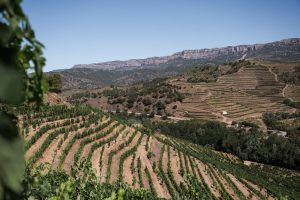
After tasting the famous vermouth of Reus, it’s time to discover another regional speciality the Costa Daurada is known for: the wines of Priorat. This renowned wine region is one of the most prestigious in Spain, celebrated for its bold red wines, steep vineyards and unique slate soil known as llicorella. This distinctive soil gives the wines their characteristic minerality and depth of flavour.


One of the best places to experience Priorat is Perinet Winery. Nestled among rolling hills and vineyards, this modern winery offers breathtaking views of the surrounding landscape. During a guided tour, you’ll learn all about the winemaking process, from harvesting the grapes to ageing the wine. One of the highlights for me was the spectacular wine cellar, whose flowing architecture was inspired by the work of Antoni Gaudí.


Of course, no visit is complete without a wine tasting. Even if you’re not a wine enthusiast, this is a fantastic experience. The combination of stunning scenery, fascinating insights and excellent wines makes this one of the best things to do in Priorat. Allow around two hours for your visit and be sure to book in advance, especially during the high season.
Terres de lleida
After all the culinary delights of the Costa Daurada, it’s time to continue our journey through Catalonia’s cultural highlights in Terres de Lleida. This lesser-known inland region surprises visitors with historic cities, impressive castles, centuries-old religious heritage and a remarkably diverse landscape. From vast orchards and fertile plains to the rugged mountains of the Pre-Pyrenees, Terres de Lleida reveals yet another side of Catalonia. Food lovers will also feel right at home here, thanks to its local produce, excellent wines and authentic Catalan cuisine.
Where to stay in Terres de Lleida
Parador de Lleida – Stay in a beautifully restored 17th-century monastery in the heart of Lleida’s historic centre. The impressive cloisters, authentic architecture and peaceful courtyard make this a truly unique place to stay. You’ll literally sleep surrounded by centuries of history, while all of Lleida’s main attractions are within walking distance.
Balneari de Caldes de Boí (Vall de Boí) – Dreaming of waking up to mountain views? Then this historic spa resort is a wonderful choice. Surrounded by nature on the edge of Aigüestortes i Estany de Sant Maurici National Park, it’s the perfect base for exploring the Vall de Boí. After a day of sightseeing or hiking, you can completely unwind in the thermal baths, which are fed by natural hot springs.
14 – Taste olive oil at Cuadrat Valley
We begin our journey through Terres de Lleida with another true Catalan speciality: olive oil. Catalonia is one of Spain’s leading olive oil-producing regions, so visiting an olive estate is an experience you shouldn’t miss.


Cuadrat Valley is the perfect place to discover this centuries-old tradition. This family-run estate combines contemporary architecture with a beautiful landscape filled with olive trees. I loved how the building blends almost seamlessly into its surroundings. During the guided tour, you’ll learn how the olives are grown, harvested and transformed into premium extra virgin olive oil. You’ll also discover what to look for when identifying a high-quality olive oil.


The visit ends, of course, with a tasting of the estate’s award-winning olive oils. That’s when you truly realise just how much flavour can vary from one olive oil to another. I never imagined an olive oil tasting could be so fascinating. Allow around 1.5 to 2 hours for your visit, and be sure to book in advance.
15 – Admire monumental art at PLANTA Project
Time for an artistic intermezzo. PLANTA Project is one of the most surprising cultural attractions in Catalonia. Set within an active quarry, this extraordinary site showcases monumental artworks by internationally renowned artists, where art, architecture and nature come together in a truly unique way.
Don’t expect a traditional museum. During the guided tour, you’ll travel by bus from one hangar to another, with each stop revealing a spectacular new art installation. Every location has its own atmosphere and forms an essential part of the experience. The contrast between the vast quarry, the industrial buildings and the contemporary artworks makes this a place unlike any other.


My absolute favourite was More Sweetly Play the Dance by William Kentridge. This immersive video installation completely surrounds you and draws you into its story from the very first second.

PLANTA Project can only be visited as part of a guided tour. Along the way, you’ll not only discover the artworks but also learn about the history of the quarry and the vision behind this remarkable project. Be sure to book your visit in advance, as the number of places is limited.
16 – Enjoy a gourmet Catalan dinner at Restaurant Malena
After a day filled with culture and local flavours, there’s no better way to end it than with dinner at Restaurant Malena. Awarded a Michelin star, this exceptional restaurant is renowned for its refined interpretation of Catalan cuisine, with seasonal produce and locally sourced ingredients taking centre stage.
We chose the 15-course tasting menu, a true culinary journey where every dish was crafted with incredible attention to detail. Not only were the flavours outstanding, but the presentation transformed each course into a small work of art. The chef combines traditional Catalan influences with modern techniques, creating dishes that are both surprising and perfectly balanced.


Dining at Restaurant Malena is much more than simply going out for dinner. It’s a complete gastronomic experience and, in my opinion, the perfect way to end a day spent discovering the flavours of Catalonia. Be sure to book well in advance, as the restaurant is extremely popular.
17 – Discover the colourful street art of Penelles
After all those delicious culinary experiences, it’s time for a walk through one of the most colourful villages in Catalonia. Penelles has transformed into a true open-air museum, with more than 170 murals spread throughout the village.

The transformation began in 2016 with the annual Gargar Festival, during which local and international street artists create new murals every May. As a result, Penelles is constantly evolving, making every visit slightly different. That said, you certainly don’t have to visit during the festival, as the village is well worth exploring all year round.


The best way to experience Penelles is exactly what I did: simply wander through the streets without a plan. Around almost every corner, you’ll discover another incredible piece of street art. If you don’t want to miss any of the murals, pick up a free street art map from the tourist office. Also make sure to step inside the village church. Its colourful murals are based on Google Maps images of Penelles and the surrounding landscape, making the entire village literally part of the artwork. It’s a unique and unexpected detail that I absolutely loved.


Allow minimum two hours to explore Penelles, and don’t forget your camera. This is without a doubt one of the most photogenic villages in Catalonia.
18 – Step inside the Romanesque Church of Sant Climent de Taüll
After a scenic drive along the Pantà d’Escales, you’ll arrive in Vall de Boí, a valley renowned for its exceptionally well-preserved Romanesque churches. The most famous of them is undoubtedly Sant Climent de Taüll, consecrated in 1123 and considered one of the finest examples of Romanesque architecture in Catalonia. Together with the other Romanesque churches in the valley, it has been designated a UNESCO World Heritage Site.


The exterior is impressive, but don’t miss the interior. Every hour, a spectacular video mapping projection brings the church back to life. The original 12th-century frescoes are digitally projected onto the walls, allowing you to see how colourful the interior looked almost 900 years ago. I never expected a Romanesque church to be so vibrant and colourful. It completely changed my perception of what these churches originally looked like.


Admission to Sant Climent de Taüll costs €5 per person, and the video mapping experience is included in the ticket price. The projection lasts around 10 minutes and offers a fascinating glimpse into how the church looked nearly nine centuries ago. Be sure to check the projection times before your visit so you can plan your arrival accordingly.
19 – Wander through the mountain village of Taüll
After visiting Sant Climent de Taüll, be sure to set aside some time to explore the village itself. Taüll is one of the most beautiful mountain villages in the Catalan Pyrenees and still retains the charm and atmosphere of centuries past.


Take your time wandering through the narrow cobbled streets, past traditional stone houses with wooden balconies and charming little squares. Wherever you go, you’ll be surrounded by stunning mountain views, making the village incredibly photogenic. Besides Sant Climent, you’ll also find the Romanesque Church of Santa Maria de Taüll, another UNESCO World Heritage Site that’s well worth a visit.


I loved simply wandering around without a plan. Sitting on a terrace and admiring the mountain views, browsing a local shop or simply soaking up the peaceful atmosphere – Taüll is the kind of place that naturally encourages you to slow down.
Although the village is quite compact, I recommend spending at least an hour here. That gives you enough time to visit both churches, stroll through the streets and fully appreciate the unique atmosphere of one of the most beautiful villages in the Vall de Boí.
20 – Experience the ancient tradition of Las Falles
If you’re visiting the Catalan Pyrenees between mid-June and the end of July, you may have the chance to witness one of the region’s most extraordinary traditions: Las Falles. This centuries-old fire festival is celebrated every year in 63 villages across the Pyrenees and Pre-Pyrenees of Spain, Andorra and France, including several villages in Vall de Boí, such as Taüll, Boí, Durro, Barruera and Erill la Vall. Since 2015, the tradition has been recognised as a UNESCO Intangible Cultural Heritage.
At sunset, the fallaires climb into the mountains carrying wooden torches. Once darkness falls, they light them and begin their descent in a long, winding procession towards the village. From a distance, it looks as if a river of fire is slowly flowing down the mountainside. It was one of the most magical sights I’ve ever witnessed and something I’ll never forget.


The tradition symbolises the power of the sun and marks the arrival of summer. According to ancient beliefs, the fire protects the community and purifies the land from evil spirits. Once the procession reaches the village, the celebrations continue with music, dancing and a lively community atmosphere.
Each village celebrates Las Falles on a different date between mid-June and the end of July, so be sure to check the festival calendar in advance if you’d like to experience this unique tradition during your journey through Catalonia’s most remarkable cultural attractions.
Catalonia truly surprised me. Of course, there are the iconic highlights like Barcelona, but this region has so much more to offer. From remarkable architecture and UNESCO World Heritage Sites to charming mountain villages, centuries-old traditions and outstanding gastronomy, there are endless things to do in Catalonia for culture lovers. I hope this guide to the best things to do in Catalonia helps you plan your own journey. Enjoy everything this incredible region has to offer, and don’t be afraid to venture beyond the well-known sights. You’ll often find the most memorable experiences in the region’s hidden gems. Happy travels!
Read more about Spain?
- 10 travel tips for Spain you need to know before you go
- 15 iconic things Spain is known for
- 10 Valencia travel tips you need to know before you go
- 19 best things to do in Valencia you can’t miss
- Where to stay in Valencia? The best neighborhoods and hotels
- 19 best things to do in Costa Blanca
- A mini road trip through the inland of Costa Blanca
- 13 amazing things to do in Calpe
- Staying in La Muralla Roja: worth it or not?
- 10 Seville travel tips you need to know before you go
- Where to stay in Seville: the best neighborhoods and hotels
- 33 best things to do in Seville for an unforgettable city trip
- The perfect 3 days Seville itinerary
- A wine trip to the Ribera del Duero in Spain
- 10 travel tips for Catalonia you need to know before you go
- 10 amazing things to do in Reus
- Discover the murals of Penelles, Catalonia’s most colourful village
- 11 amazing things to do in La Vall de Boí, a hidden gem in the Catalan Pyrenees
- 12 unique things to do in Cerdanya, Spain
- 11 amazing things to do in and around Solsona, Spain
Thanks for reading.
Your truly,
Sarah
Pin it for later


Travel tips and essentials
Would you like to plan an unforgettable trip? Then be sure to check out useful websites.